Quick Answer
Kingston marketplace scams follow the same patterns you'll find anywhere in Canada — fake e-transfers, overpayment schemes, ghost buyers. Here's how each scam works and the specific steps that stop them.
Kingston is a safe city for classifieds transactions. The overwhelming majority of deals on Fliku, Facebook Marketplace, and Kijiji go exactly as they should: both parties meet, item checks out, money changes hands, everyone leaves satisfied. But scams exist, they're predictable, and knowing how they work means you'll never fall for one.
This guide covers the most common scams targeting Kingston sellers, how to spot them before they progress, and how to structure transactions so you're protected.
The Overpayment Scam (Most Common)
How it works: Someone contacts you about your listing and offers to pay immediately — often more than your asking price. They claim it's a "certified cheque" or say they "accidentally" sent too much via e-transfer and ask you to refund the difference.
The mechanism: certified cheques can be returned after clearing in your account. E-transfers can sometimes be reversed if the sender reports fraud. You refund $100 of their "accidental" overpayment; their original payment reverses; you're down $100 and the item.
Red flags: Offering more than your asking price. Insisting on cheque payment. Urgency ("I need to confirm today"). Requesting a refund before the payment fully clears.
The fix: Cash only for in-person transactions with strangers. If using e-transfer, wait 24 hours and confirm it's fully deposited before completing the transaction.
The Shipping Scam
How it works: A "buyer" contacts you on a local platform claiming to be in Kingston but says they'd prefer you ship the item. They'll provide a shipping label or offer to arrange courier pickup. The "payment" they send reverses after the item is gone.
Red flags: Any buyer on a local platform asking you to ship instead of meeting. Offering to "send a courier." Payment via PayPal Friends & Family (no buyer protection) or methods other than cash/e-transfer.
The fix: For listings on Kingston platforms, only sell locally in person. If someone can't meet in person in Kingston, they're not the buyer you're looking for.
The No-Show / Time Waste Pattern
Not technically a scam but a common nuisance: buyers who confirm pickup and don't show. This wastes your time and can make you miss other buyers.
How to handle it: For high-value items (over $100), ask for a small e-transfer deposit to hold the item. Message the buyer 2 hours before the meetup to confirm. If they don't respond, message the next person in your inquiry list. Don't turn away other buyers until the first buyer has confirmed same-day.
The Bait and Switch
How it works: A buyer arrives at the meetup, inspects your item, and then reveals the real agenda — claiming it's damaged, claiming it's not as described, making lowball offers on the spot when you're already there and invested in the transaction. The goal is to pressure you into dropping your price below what you'd have agreed to in advance.
The fix: Take clear photos of your item before meeting, including any imperfections. Show these photos if a buyer tries to claim damage that was already disclosed. Know your firm price before you go. "My price is $X — if that doesn't work, no hard feelings" is a complete sentence. You don't need to negotiate at the meetup if you've already agreed on a price in writing.
The Fake Receipt / Payment Proof
How it works: A buyer shows you a screenshot of an e-transfer confirmation on their phone. You hand over the item. The transfer was never actually sent — the screenshot was faked, or the transfer was immediately cancelled.
The fix: For e-transfer payments, don't hand over the item until you receive the email notification that the transfer is pending on your end, not their end. If they say they sent it, wait for your own notification before completing the transaction.
Structuring a Safe Transaction
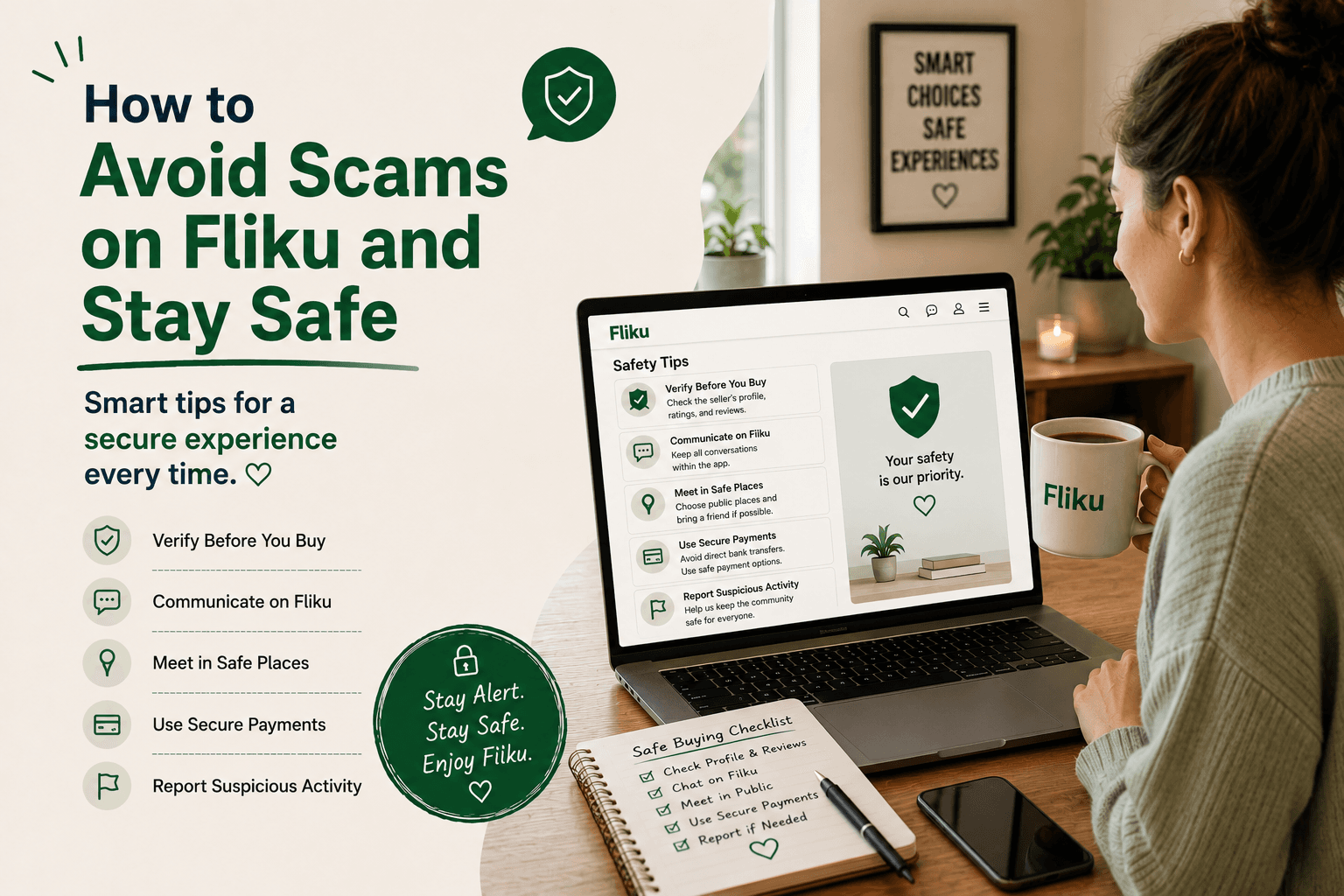
Most Kingston classifieds scams are stopped by three simple practices:
- Cash only for transactions with strangers. No reversal, no fake receipts, no waiting for transfers to clear. The Kingston Public Library ATM on Johnson Street, TD on Princess, and RBC on King Street are all central.
- Public meetup. Kingston Centre parking lot, Tim Hortons on Princess Street, the library itself. Never your home address for strangers.
- Item for payment, simultaneously. Hand over item at the same moment you receive payment. Don't mail items. Don't let buyers take items on approval.
Red Flags That Should End the Conversation
- Offering more than your asking price
- Requesting you ship a locally-listed item
- Insisting on PayPal Friends & Family, cryptocurrency, or gift cards
- Urgency pressure: "I need to confirm right now"
- Refusing to meet in public or wanting to meet at an odd location
- Communicating only through unusual channels (WhatsApp from a first contact, non-Kingston area codes claiming to be local)
When you encounter these, end the conversation politely: "I'm only able to sell cash in person — if that works for you, I'm available [times]. If not, no worries." This filters every scammer without confrontation.
Is it safe to accept e-transfer for Kingston classifieds sales?
Yes, with precautions. Wait for the transfer to appear pending in your own banking app before completing the transaction. Don't accept payment via PayPal Friends & Family or other platforms with reversal risk. For items under $200, cash is still simpler.
What should I do if I think I've been scammed?
Report it to Kingston Police (non-emergency line: 613-549-4660) and to the platform where the transaction was attempted. Canadian Anti-Fraud Centre (1-888-495-8501) tracks patterns and can advise on recourse options. Act quickly — reversals have time limits.
Can I trust buyers who contact me through Fliku?
Platform reputation is one signal but not a guarantee. The same rules apply regardless of platform: verify payment before releasing the item, meet in public, and watch for the patterns described above. Fliku's local focus does reduce some scam types (shipping scams, for instance, because the expectation is local pickup).