Quick Answer
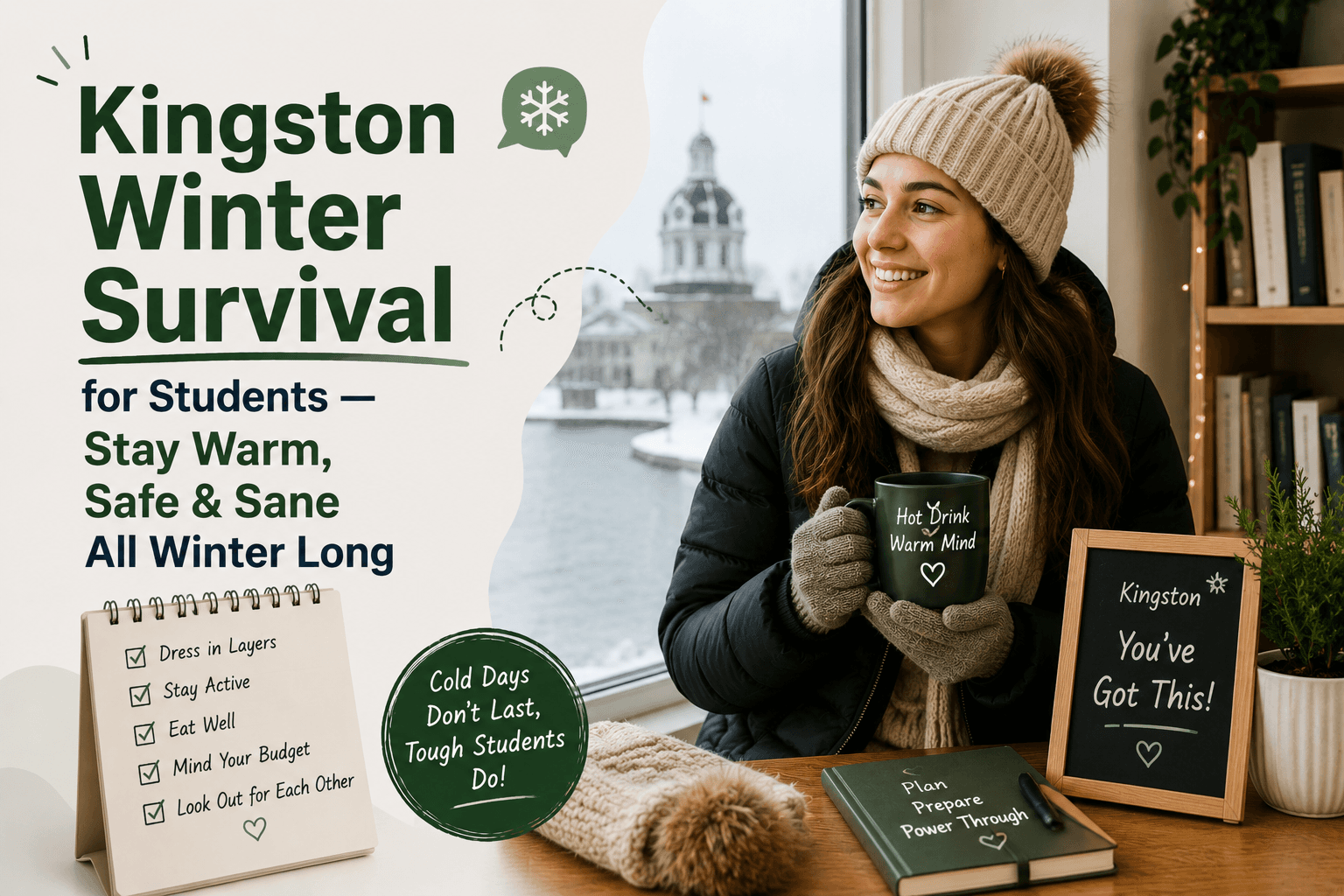
Kingston winters are colder than most residents from southern Ontario expect. Wind off Lake Ontario, older housing stock with poor insulation, and months of sustained cold require real preparation. Here's what actually helps.
Kingston Winter Survival Guide: How to Survive (and Enjoy) the Cold Months
Winter in Kingston is not for the weak. But with the right preparation, it's also not for the miserable.
Let's be honest: Kingston winters are real. The wind off the lake. The snow that starts in November and sometimes doesn't quit until April. The days when walking to your car feels like an Arctic expedition.
But here's the thing: people in Kingston don't just survive winter. They embrace it. They skate. They ski. They huddle in coffee shops and make the best of it.
I've been through more Kingston winters than I care to count. I've learned the hard way about parking bans, frozen pipes, and the importance of a really good coat.
Here's how to survive (and maybe even enjoy) winter in Kingston.
Before Winter Starts (October-November)
Car Preparation:
Winter tires:
- Not optional in Kingston
- Install when temperature consistently below 7°C (usually November)
- Cost: $600-1,200 for set
- Storage: Tires take space, plan ahead
Emergency kit for car:
- Blanket
- Scraper/brush
- Small shovel
- Booster cables
- Flashlight
- Sand or kitty litter (for traction)
- Snacks (in case you're stuck)
- Phone charger
Battery check:
- Cold kills batteries
- Get tested at Canadian Tire
- Replace if more than 5 years old
Windshield washer fluid:
- Winter formula ( -40°C rated)
- Top up before first freeze
Home Preparation:
Windows:
- Check for drafts
- Plastic window film if needed
- Weather stripping on doors
Heating system:
- Furnace maintenance (book now)
- Check filters (replace monthly)
- Programmable thermostat (save money)
Pipes:
- Know where water shut-off is
- Insulate pipes in unheated areas
- Let faucets drip during extreme cold
Emergency kit for home:
- Flashlights
- Batteries
- Candles and matches
- Portable phone charger
- Bottled water
- Non-perishable food
- Manual can opener
Snow removal:
- Shovel (good one, not cheap)
- Snow blower (if you have driveway)
- Salt or ice melter
- Know your snow removal contractor (if you hire)
During Winter (December-March)
Parking Bans:
City of Kingston has winter overnight parking bans.
When: Typically December 1 to March 31
Hours: 2 AM to 7 AM (varies, check city website)
Rules:
- No on-street parking during bans
- Cars ticketed and towed
- Exceptions during major snowstorms
What to do:
- Off-street parking if you have it
- Overnight lots available (some free during bans)
- Check city website for declared bans
Heating Costs:
Average monthly hydro with electric heat:
- 1-bedroom: $100-180
- 2-bedroom: $150-250
- House: $250-400
Save money:
- Seal drafts
- Programmable thermostat (lower at night, when away)
- Space heaters for one room (safer than they used to be)
- Wear layers inside (sweater, socks)
If you can't pay:
- Contact Utilities Kingston immediately
- Payment plans available
- Ontario Energy Assistance Program (OESP) grants available
Getting Around:
Walking:
- Good boots with grip (not fashion boots)
- Walk like a penguin (shuffle, small steps)
- Allow extra time
- Sidewalks can be icy
Driving:
- Clear ALL snow from car (dangerous if you don't)
- Warm up car (5-10 minutes max, idling laws apply)
- Leave extra distance
- Bridges freeze first
- Black ice is real
Bus:
- Kingston Transit runs (sometimes delayed)
- Dress warmly, stops can be cold
- Track bus on app
Biking:
- Hardcore only
- Studded tires help
- Layer up
- Lights required (dark at 4:30 PM)
What to Wear:
The layering system:
Base layer:
- Merino wool or synthetic
- NO COTTON (cotton kills - wet + cold = bad)
Mid layer:
- Fleece or wool sweater
- Traps heat
Outer layer:
- Waterproof and windproof
- Parka for really cold days
- Down or synthetic insulation
Extremities:
- Hat (toque) - 30% of heat lost through head
- Gloves (mittens warmer than gloves)
- Scarf or neck warmer
- Warm socks (wool)
- Boots with good tread
Winter Activities (Yes, There Are Fun Things)
Outdoor:
Skating:
- Market Square rink (downtown)
- Rideau Heights rink
- Invista Centre (indoor)
- Lake Ontario (only if safe - check first)
Skiing and snowboarding:
- Mount Pakenham (45 minutes)
- Calabogie Peaks (1 hour)
- Hardwood Hills (cross-country)
Cross-country skiing:
- K&P Trail
- Golf courses
- Frontenac Park
Snowshoeing:
- Frontenac Park
- Lemoine Point
- Local trails
Fat biking:
- K&P Trail
- Some mountain bike trails
Winter walks:
- Waterfront trail (windy but beautiful)
- Lemoine Point
- Kingston Mills
Indoor:
Coffee shops:
- The Common Ground
- Northside Espresso
- Coffeeco
- Balzac's (at the Pump House)
Museums:
- Kingston Penitentiary tours (winter hours)
- Museum of Health Care
- Marine Museum
- Agnes Etherington Art Centre
Libraries:
- Central Library (warm, free, events)
- All branches have programs
Shopping:
- Cataraqui Centre (warm, walkable)
- Princess Street stores
Movies:
- Cineplex (Gardiners Road)
- The Screening Room (independent films)
Restaurants:
- Winterlicious (February - restaurant deals)
- Patios are gone, but cozy indoor seating exists
Events:
Winterlicious (February):
- Restaurant deals
- Prix fixe menus
- Great way to try new places
FebFest (February):
- Family-friendly winter festival
- Ice sculptures
- Outdoor activities
- Market Square
Kingston Canadian Film Festival (March):
- Independent Canadian films
- Multiple venues
St. Patrick's Day (March 17):
- Student chaos
- Avoid downtown if you're not part of it
Must Read:-
How to Post Your First Ad on Fliku
10 Tips for Writing Effective Product Descriptions
How to Avoid Scams When Buying or Selling Online
Winter Health and Safety
Cold-related risks:
Frostbite:
- Numbness, white or pale skin
- Rewarm gradually (not hot water)
- Seek medical help if severe
Hypothermia:
- Shivering, confusion, slurred speech
- Get inside, warm slowly
- Emergency if severe
Falls:
- Icy sidewalks are dangerous
- Walk like a penguin
- Use handrails
- Salt your own walkway
Mental health:
Seasonal Affective Disorder (SAD) is real.
What helps:
- Light therapy lamp (sit near it 20-30 minutes daily)
- Vitamin D supplements (ask doctor)
- Get outside even when cold (daylight helps)
- Exercise (even indoors)
- Social connection (coffee with friends)
- Plan something to look forward to
Resources:
- AMHS (Addiction and Mental Health Services) Kingston
- Student wellness services (if at Queen's)
- Talk to your doctor
Winter driving safety:
If you get stuck:
- Stay with car (usually)
- Run engine occasionally (clear exhaust pipe first)
- Use emergency kit
- Call for help
If you see an accident:
- Call 911
- Don't get out on highway
- Wait for professionals
Kingston-Specific Winter Tips
Lake effect snow:
Kingston gets lake effect snow from Lake Ontario. Means:
- More snow than Toronto
- Unpredictable bands
- Can be sunny at home, blizzard 10 minutes away
Wind:
The waterfront is WINDY. Downtown near the water feels 5-10 degrees colder. Dress for it.
Student winter:
Students from warmer climates suffer. Be kind to the first-year from Vancouver who has never seen snow.
Winter parking:
If you have a driveway, mark the edges with stakes. Snow plows will bury your lawn otherwise.
Snow removal:
Property owners must clear sidewalks within 24 hours. If you rent, landlord is responsible.
The Winter Checklist
Before winter:
- Winter tires installed
- Car emergency kit ready
- Furnace serviced
- Windows sealed
- Shovel ready
- Salt or ice melter stocked
During winter:
- Check parking bans nightly
- Clear snow from car completely
- Walk carefully
- Layer up
- Get outside sometimes
- Take vitamin D
- Plan spring trip (hope)
Why Fliku Helps in Winter
Winter is when you want to stay inside. Fliku lets you:
- Buy furniture without driving all over town
- Find winter gear (used is cheaper than new)
- Sell items you're decluttering (without a garage sale in the cold)
- Connect with verified local sellers (safe, quick, warm)
[Browse Fliku Kingston - shop from home]
FAQ: Kingston Winter
Q: When does winter start in Kingston?
A: November is unpredictable. December through March is real winter. April is a lie.
Q: Do I really need winter tires?
A: Yes. All-seasons are not enough. Insurance may require them.
Q: What's the coldest it gets?
A: -20 to -30 with wind chill. Occasionally colder.
Q: How much snow does Kingston get?
A: Average 150-200 cm per season. Varies year to year.
Q: What's a parking ban and how do I know?
A: No on-street parking overnight during snow events. Check city website or sign up for alerts.
Q: How do I keep my apartment warm without spending a fortune?
A: Seal drafts, plastic on windows, rugs on floors, wear layers.
Q: What is there to do in winter?
A: Skating, skiing, coffee shops, museums, Winterlicious, FebFest.
Q: Is it safe to walk on the lake?
A: Only if officially deemed safe. Check with city. Generally not recommended.
Q: When does winter end?
A: Emotionally? March. Actually? Sometimes April. Occasionally May.
The Bottom Line
Winter in Kingston is long. It's cold. It's snowy.
But it's also beautiful. The frozen waterfront. The lights downtown. The community coming together to complain about the weather (it's a bonding experience).
Prepare well. Dress warmly. Find winter activities you enjoy.
And remember: summer always comes eventually.
Surviving your first Kingston winter? Have tips to share? Drop them below. We're all in this together.