Buying a used car in Canada can feel a bit like online dating: the photos look great, the description sounds perfect… and then you meet in person and suddenly the “one owner, gently used” story doesn’t quite match reality.
The good news?
With the right approach, you can find a reliable used vehicle, avoid scams, and save thousands compared to buying new. This guide walks you through the entire process — step-by-step — from setting a realistic budget to driving away confidently in your new (well, new-to-you) ride.
Whether you’re in Toronto, Vancouver, Calgary, Montreal, or a small town where “public transit” means your neighbour with a truck, this guide is for you.
Let’s get started.
1. Start With a Budget (and Be Honest With Yourself)
Here’s a mistake almost every buyer makes:
They look at the asking price of a used car and think, “Yeah, that’s fine.”
But the sticker price is only chapter one of the story.
In Canada, the real cost of buying a used car includes:
- Sales tax (GST/HST depending on your province)
- Registration and ownership transfer fees
- Safety inspection (mandatory in several provinces)
- Insurance — which can vary hugely between Toronto and, say, Regina
- Expected repairs (there’s always something)
Human tip: Set aside 10–15% of your budget for early maintenance. Trust me — your future self will thank you.
2. Know What You Actually Need (Not Just What Looks Cool)
It’s tempting to fall in love with that sporty hatchback or the used BMW priced lower than a new bicycle — but practicality always wins in the long run.
Ask yourself:
- Is this mostly for commuting, family use, or long drives?
- Do you need AWD for Canadian winters?
- Do you want fuel efficiency over horsepower?
- Are parts for this car easy (and affordable) to find?
Best-value used cars in Canada:
- Toyota Corolla
- Honda Civic
- Mazda3
- Hyundai Elantra
- Toyota RAV4
- Honda CR-V
These show up constantly in “best used car” lists because they’re reliable, inexpensive to maintain, and hold value.
3. Search Smart — Quality Listings Save You Time
Classifieds are one of the best places to buy used cars in Canada because private sellers typically offer better prices than dealerships. But not all listings are created equal.
A good used car listing should include:
- Clear photos (not taken at night… or in a rainstorm… please)
- Exact model, trim, and year
- Mileage
- Service history
- VIN number
- Description of condition
- Reason for selling
If a listing has 2 blurry photos and a description like “gud car runs grate no issues,” kindly keep scrolling.
4. Always Run a VIN Check — No Exceptions

If you take only one thing from this article, let it be this:
Run. The. VIN. Check.
A VIN report (Carfax, VINVerify, or provincial lookup) can reveal:
- Accident history
- Lien information (yes, you can accidentally buy someone else’s debt)
- Odometer rollbacks
- Insurance write-offs
- Flood or fire damage
- Theft history
Skipping a VIN check is like gambling with your savings. Just don’t.
5. Talk to the Seller Before Meeting Them
Good sellers answer questions openly. Bad sellers… well, they answer like politicians.
Ask things like:
- How long have you owned the car?
- Why are you selling it?
- Any accidents or major repairs?
- Do you have service records?
- Any warning lights on?
- Anything that needs to be replaced soon?
If the seller dodges questions or gets weirdly defensive, trust your gut.
6. Inspect the Car Properly (or Bring Someone Who Can)
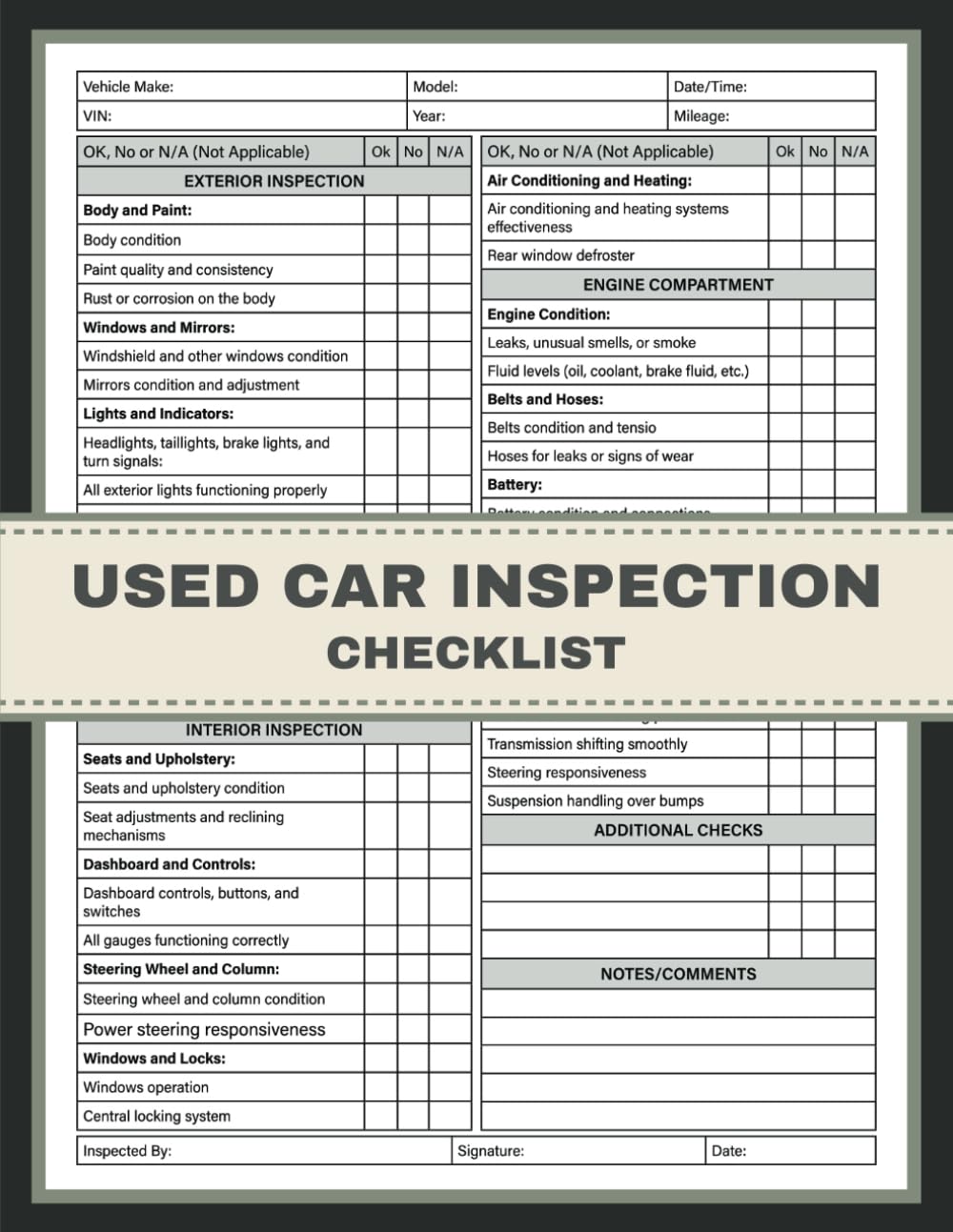
Most Canadians aren’t mechanics — and that’s okay. But everyone can check the basics.
Look for:
- Rust (Canadian winters are unforgiving)
- Uneven tire wear
- Oil leaks
- Cracks in the windshield
- Weird dents or mismatched paint
- Interior wear that doesn’t match the mileage
Listen for:
- Knocking, grinding, or metallic sounds
- Loud exhaust
- Rough idling
If you’re not confident?
Spend $100–$180 on a pre-purchase inspection. A mechanic can find things you’d never notice.
7. Take a Real Test Drive — Not Just Around the Block
A proper test drive should include:
- Starting the engine cold
- City driving
- Highway speeds
- Smooth braking
- Sharp turns
- A/C and heating test
- Checking all buttons, switches & features
If the seller insists you “just take a quick spin around the parking lot,” that’s a red flag big enough to see from space.
8. Watch Out for Scams (They’re More Common Than You Think)
Unfortunately, used car scams happen in every Canadian city.
Common red flags:
- Seller refuses to show ID
- No VIN or “I’ll send it later”
- Car is priced dramatically below market value
- Claims like “selling for a friend”
- Requests for e-transfer deposits before seeing the car
Important:
Always meet in a safe, public location. Many police stations across Canada now offer official "safe trade" zones.
9. Understand the Paperwork (Every Province Is Different)
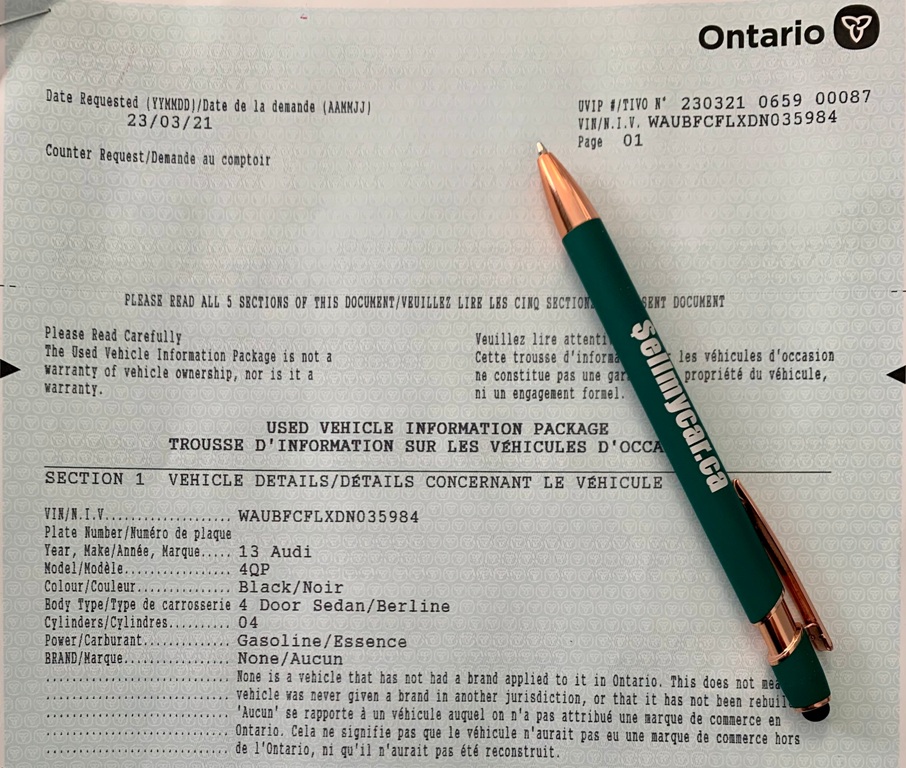
Here’s a quick breakdown:
Ontario:
- Must get a Used Vehicle Information Package (UVIP)
- Safety Certificate required for registration
- Tax paid at ServiceOntario
British Columbia:
- ICBC handles transfer + insurance together
Alberta:
- No mandatory safety inspection, but many buyers insist on one
Quebec:
- Ownership transfer done through SAAQ
General rule:
You need:
- Bill of sale
- ID from both parties
- Insurance before driving
- Registration at your provincial office
It sounds like a lot, but it’s straightforward — especially with an organized seller.
10. Close the Deal & Drive Away Confidently
Once everything checks out, it’s time to finalize payment and complete the ownership transfer.
Cash or e-transfer works best for private sales. Avoid anything unusual like crypto, gift cards, or “payment plans.”
When all paperwork is signed and keys are in hand, congrats — you’ve successfully bought a used car in Canada without losing sleep (or money).
Bonus: Quick City Tips
Buying a Used Car in Toronto
Higher prices, competitive market, more choice. Great place to find low-mileage city cars.
Buying a Used Car in Vancouver
Generally rust-free, but prices tend to be higher due to demand.
Buying a Used Car in Calgary / Edmonton
Lots of trucks and SUVs, more owners selling company vehicles, and good deals after winter.
Final Thoughts: If You Take These Steps, You’ll Be Fine
Buying a used car doesn’t need to be stressful.
If you:
✔ set a budget
✔ run the VIN
✔ inspect properly
✔ test drive fully
✔ verify paperwork
…then you’re already miles ahead of most buyers.
Whenever you’re ready to start your search, check out the latest deals near you:
👉 Browse used cars in your city (link to your Cars category)
FAQ: Buying a Used Car in Canada
1. What is considered good mileage for a used car in Canada?
A good rule of thumb is 15,000–20,000 km per year.
So if a car is 5 years old, 75,000–100,000 km is typical.
Lower mileage doesn’t always mean better, especially if the car was barely driven — sitting too long can cause mechanical issues too.
2. How much should I spend on a used car in Canada?
Most Canadians spend between $6,000–$18,000 on a reliable used car.
Your budget depends on:
- Insurance costs in your province
- Repair history
- Mileage
- Brand reliability (Toyota/Honda = higher resale value)
- Fuel type (hybrids cost more upfront)
Tip: Always keep 10–15% aside for repairs or maintenance.
3. What should I check before buying a used car?
This is one of the most Googled questions — and for good reason.
Here’s the essential checklist:
- Run a VIN report (Carfax Canada)
- Check for rust, especially around wheel wells
- Inspect tires & brakes
- Look for oil leaks
- Test the A/C, heat, power windows & electronics
- Listen to engine noises during a cold start
- Review maintenance records
If anything feels “off,” it probably is.
4. Is it better to buy a used car from a private seller or a dealership?
Private sellers:
✔ Lower prices
✔ More room to negotiate
✘ No warranty
✘ More risk
Dealerships:
✔ Inspection & certification
✔ Warranty options
✔ Financing available
✘ Higher prices
If you want the best deal, private sellers usually win.
If you want peace of mind, dealerships are easier.
5. Do I need a safety inspection to buy a used car?
Depends on your province:
- Ontario: Yes, before registration
- BC: Not required, but recommended
- Alberta: Not required (unless out-of-province)
- Quebec: Not required
- Manitoba/Sask: Rules vary
Even if it’s not mandatory, a pre-purchase inspection can save you thousands.
6. What is the safest way to pay for a used car?
The safest methods are:
- Interac e-Transfer
- Bank draft
- Cash (in person)
Avoid:
× PayPal
× Crypto
× Gift cards
× Deposits before seeing the vehicle
Always complete the transaction in person after inspecting the car.
7. How do I avoid scams when buying a used car online?
Scams are common — but easy to avoid if you know the signs.
Red flags:
- No VIN provided
- Seller avoids meeting in person
- Price way below market value
- “Selling for a friend” without proof
- Wants a deposit before meeting
Safe steps:
- Meet in public
- Bring someone with you
- Verify seller’s ID
- Run a VIN report
- Don’t rush a deal
8. What documents do I need to buy a used car in Canada?
At minimum, you should get:
- Bill of sale
- Vehicle registration
- VIN history report
- Safety certificate (if required)
- Service records (if available)
- UVIP (Ontario only)
Never buy a car from someone who “lost the papers.”
9. How long should a proper test drive be?
A solid test drive should be 15–20 minutes and include:
- Cold start
- City streets
- Highway speeds
- Hard braking
- Tight turns
- Parking maneuvers
If a seller tries to limit your test drive?
That’s your cue to walk away.
10. Can I return a used car after buying it in a private sale?
No — private sales in Canada are final.
There is no legal return period unless the seller explicitly agrees.
This is why inspections, test drives, and VIN checks matter so much.
11. Is a used car with 200,000 km still worth buying?
Surprisingly, yes, depending on the brand and maintenance.
Cars known to survive high mileage:
- Toyota (Corolla, Camry, RAV4)
- Honda (Civic, Accord, CR-V)
- Mazda (Mazda3, CX-5)
What matters more is maintenance, not the odometer alone.
12. How much does a VIN report cost in Canada?
A Carfax Canada report typically costs $50–$65.
This is the most reliable and widely accepted report in the country.
If a seller refuses a VIN check, run — don’t walk.